Artificial Intelligence and Ethical Challenges in America’s Classrooms: A 2026 Roadmap for Educators

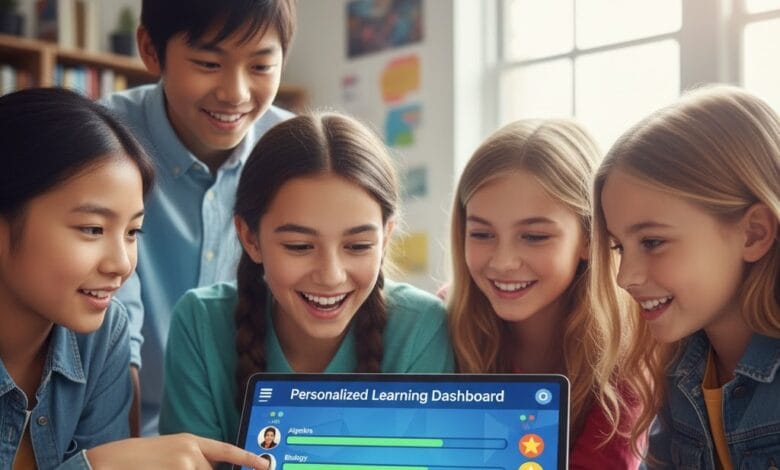
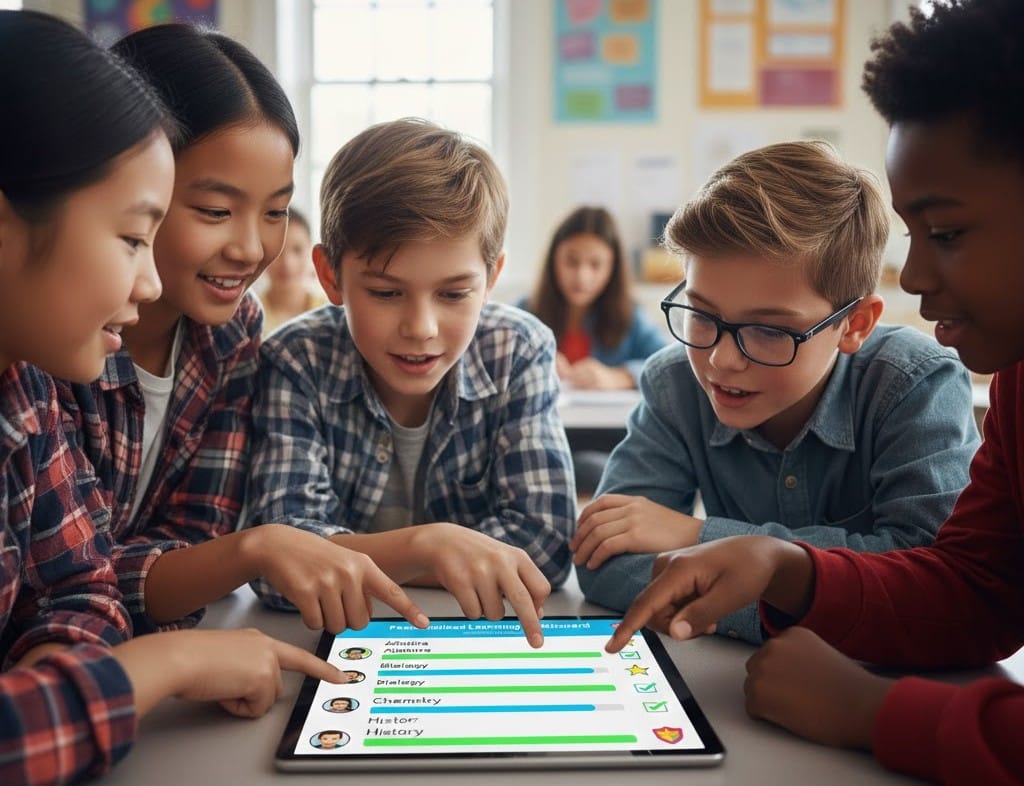
For the US educator searching “how to use AI ethically in my classroom,” the answer lies in a balanced framework: leverage AI’s power for personalized learning and administrative efficiency, while rigorously upholding student privacy, mitigating algorithmic bias, and maintaining human-centered pedagogy. This in-depth guide provides the research-backed strategies, actionable tools, and ethical frameworks you need to navigate this transformative shift confidently and responsibly..
The State of AI in American Education: Beyond the Hype
The U.S. Department of Education’s 2023 report, “Artificial Intelligence and the Future of Teaching and Learning,” marked a pivotal moment. It urged a move from reactive adoption to proactive design, emphasizing equity as a core objective.
The current landscape is driven by urgent needs: addressing pandemic-related learning loss, alleviating teacher burnout, and personalizing education at scale.
A 2024 report from the Consortium for School Networking (CoSN) found that 82% of district technology leaders believe AI will significantly impact K-12 education within five years.
Key Trends Defining 2026
- Adaptive Learning Platforms: Moving beyond one-size-fits-all instruction.
- Intelligent Tutoring Systems (ITS): Providing 24/7, individualized academic support.
- Automated Administrative Tools: Drastically reducing time spent on grading, scheduling, and reporting.
- AI Literacy as a Core Skill: States like California and Oregon are pioneering standards for teaching AI concepts and ethics to students.
- Focus on Formative Assessment: AI tools that analyze student work in real-time to guide instruction.
Implementing AI with Purpose: Practical Strategies for Every Role
Successful integration requires a tailored approach for each stakeholder. One-size-fits-all implementation leads to wasted resources and ethical pitfalls.
For Teachers: Enhancing Pedagogy, Not Replacing It
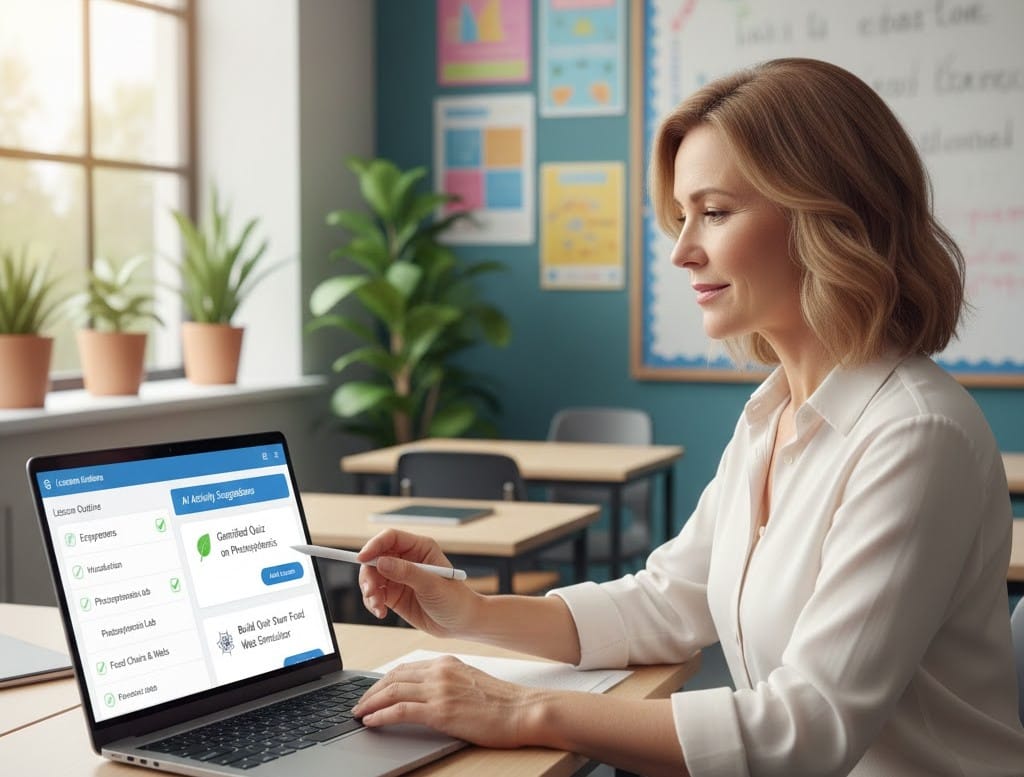
AI should act as a powerful assistant, freeing you to focus on the irreplaceable human elements of teaching: mentorship, inspiration, and complex socio-emotional support.
Actionable Strategies:
- Start with Low-Stakes Formative Assessment: Use tools like Gradescope or QuestionWell to quickly generate quiz questions and analyze class-wide misunderstanding patterns.
- Employ AI for Drafting and Differentiation: Use generative AI (like ChatGPT or Claude) to create leveled reading passages, generate project ideas, or draft rubric language. Always review and edit the output.
- Implement an Intelligent Writing Assistant: Tools like Grammarly or Quill provide students with immediate feedback on grammar and clarity, allowing you to focus on higher-order arguments and ideas in your feedback.
Measurable Outcome: A 2023 study published in the Journal of Educational Technology & Society found teachers using AI for administrative tasks regained an average of 5-7 hours per week for instructional planning and student intervention.
For Administrators: Strategic Adoption and Governance
Your role is to create the infrastructure for safe, equitable, and effective AI use district-wide.
Actionable Strategies:
- Form an AI Task Force: Include teachers, IT staff, data privacy officers, parents, and even students to draft district-wide guidelines.
- Conduct a Vendor Vetting Process: Before purchasing any AI tool, audit it for data privacy compliance (FERPA/COPPA), algorithmic bias, and pedagogical alignment. Use checklists from organizations like ISTE or Digital Promise.
- Invest in Professional Development, Not Just Software: Allocate funding for ongoing, hands-on AI training. Partner with local universities or organizations like EDUCAUSE.
For Students and Parents: Fostering Agency and Literacy
The goal is to create empowered, critical users of AI, not passive consumers.
Actionable Strategy: The “PAIR” Framework for Student AI Use:
- Prompt: Teach students how to craft effective, ethical prompts.
- Analyze: Critically evaluate the AI’s output for bias, accuracy, and relevance.
- Integrate: Synthesize AI-generated ideas with their own original thought.
- Review: Reflect on how the tool was used and what was learned in the process.
Real-World Case Studies: Lessons from the Front Lines
Case Study 1: Broward County Public Schools (FL) – AI for Personalized Math Recovery
- Challenge: Significant math skill gaps post-pandemic across a diverse, large-scale district.
- Solution: Piloted DreamBox Learning, an adaptive K-8 math platform that adjusts difficulty and sequence in real-time.
- Policy Alignment: Implemented with strict adherence to FERPA; student data was anonymized for aggregate analysis.
- Measurable Outcome: Over the 2022-23 school year, students using DreamBox with fidelity showed 1.5 times more growth on district math assessments than matched peers in traditional instruction.
Case Study 2: Stanford University’s “AI+Education” Initiative – Research-Driven Tools
- Initiative: Development of AI-powered essay feedback tools in collaboration with faculty.
- Ethical Focus: Tools are designed to provide feedback on argument structure and evidence, not to grade or replace instructor feedback. All research is transparently published.
- Outcome: Provides a model for how higher-ed institutions can build, not just buy, AI tools aligned with their specific pedagogical values.
AI Tools for the American Classroom: A Comparative Guide
The following table outlines key AI-powered tools, their primary use cases, and critical considerations for educators.
| Tool Name | Category | Best For | Key Benefit | Cost & Considerations | Ethical/Privacy Note |
|---|---|---|---|---|---|
| Kahoot! (Adaptive Modes) | Engagement & Assessment | Formative review, quick checks | Boosts engagement via gamification; offers adaptive question paths. | Freemium; paid plans for advanced analytics. | Data stored per COPPA; ensure school accounts. |
| DreamBox Learning | Adaptive Learning | K-8 Mathematics | Truly personalized learning paths; strong research base. | Subscription-based; requires device access. | FERPA-compliant; data used solely for learning adaptation. |
| Grammarly for Education | Writing Assistant | Secondary & Higher Ed Writing | Real-time feedback on grammar, tone, and clarity. | Freemium; institutional licenses available. | Review privacy settings; advise students on its role as an assistant, not an author. |
| Canva Magic Write | Generative AI | Lesson planning, resource creation, student projects | Easy-to-use AI text generator integrated into a familiar design platform. | Freemium; education discounts available. | Teach students to disclose AI use; review outputs for accuracy. |
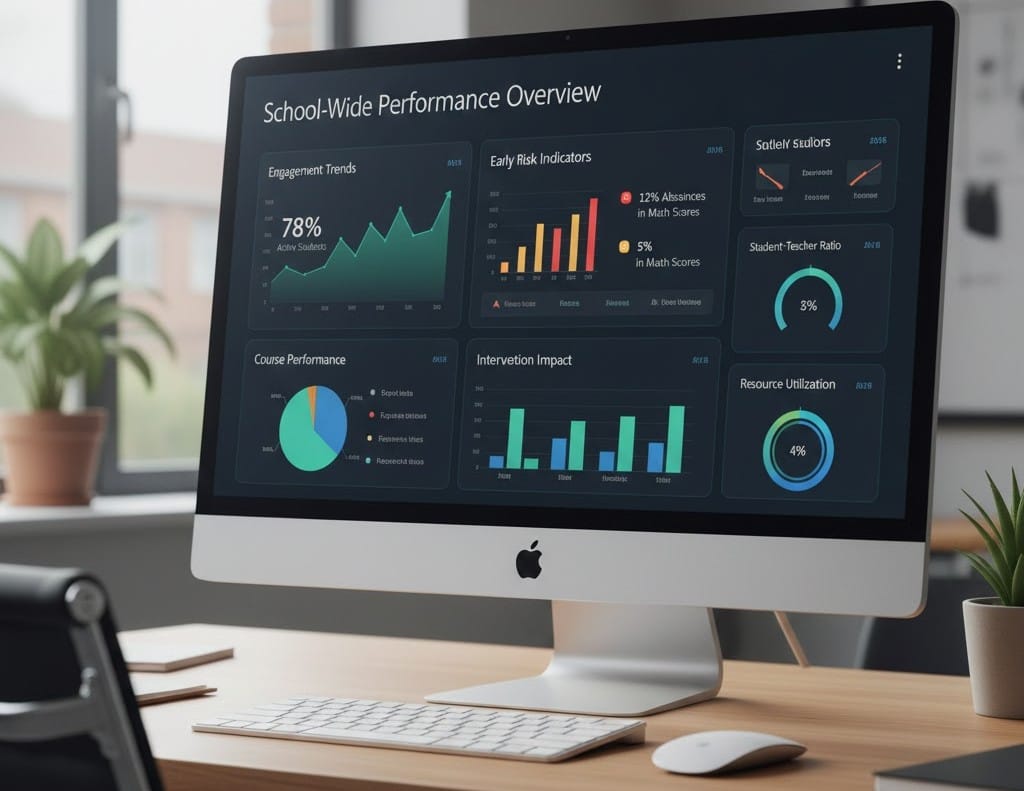
| Schoolytics (w/ AI features) | Data Dashboard (Google) | Administrators & Teachers | Aggregates data from Google Edu; uses AI to highlight at-risk students. | Subscription per school. | Accesses sensitive student data; requires strict access controls and training. |
Navigating the Ethical Minefield: Challenges and Proactive Solutions
The promise of AI is tempered by significant risks. A proactive stance is non-negotiable.
Challenge 1: Data Privacy and Security (FERPA/COPPA)
Student data is among the most sensitive information. AI tools often require vast datasets to function.
Solution:
- Demand Transparency: Use vendor contracts that explicitly state data ownership (the school/district), usage limits, and deletion policies.
- Minimize Data Exposure: Choose tools that use anonymized or aggregated data for model training whenever possible.
- Educate Stakeholders: Train teachers and students on digital footprints. The Future of Privacy Forum offers excellent K-12 resources.
Challenge 2: Algorithmic Bias and Equity
AI models trained on historical data can perpetuate societal biases, disadvantaging marginalized students.
Solution:
- Audit for Fairness: Ask vendors how they test for and mitigate bias in their algorithms. Reference the U.S. National Institute of Standards and Technology (NIST) AI Risk Management Framework.
- Human-in-the-Loop: Never allow an AI system to make high-stakes decisions (e.g., placement, grading) without human review and override capability.
- Prioritize Inclusive Design: Select tools that offer multilingual support, accessibility features, and are piloted in diverse school settings.
Algorithmic Bias: Definitions and Standards
According to NIST’s AI Risk Management Framework (SP 1270), bias in AI can take multiple forms—systemic, computational, or human‑cognitive—and may arise even without discriminatory intent. If left unmanaged, AI systems can amplify these biases, potentially causing harm to individuals and communities. NIST emphasizes that continuous monitoring and auditing throughout the AI lifecycle is essential to ensure fairness, accountability, and trustworthiness. (NIST SP 1270 PDF)
Furthermore, IEEE Standard 7003‑2024 provides practical criteria for addressing algorithmic bias, including validation of datasets, mitigation strategies, and safeguards against unintended discriminatory outcomes in AI systems. (IEEE 7003‑2024)
Additionally, the IEEE CertifAIEd™ AI Ethics framework highlights ethical principles such as transparency, accountability, and bias control that educational stakeholders and developers can adopt to ensure AI systems are used fairly and responsibly in classrooms. (IEEE CertifAIEd™)
How to Apply in K‑12 Context:
- Audit AI tools for potential bias before adoption.
- Involve human review in all high-stakes decisions (grading, placement, disciplinary actions).
- Prioritize inclusive design: multilingual support, accessibility, and piloting in diverse classrooms.
Challenge 3: Academic Integrity and the “Cheating” Dilemma
Generative AI blurs the line between assistance and dishonesty.
Solution:
- Redefine Assignments: Move from easily AI-replicable outputs (generic essays) to process-oriented assessments: oral defenses, portfolio creation, collaborative projects, and AI-augmented tasks where use is documented and critiqued.
- Promote Transparency: Adopt a classroom policy where students must cite and reflect on their use of AI, similar to other sources.
- Use AI Detectors with Extreme Caution: Tools like Turnitin’s AI detector have high false-positive rates, especially for ESL students. Do not use them punitively without corroborating evidence.
Challenge 4: Teacher Preparedness and Role Evolution
Without training, AI creates anxiety and ineffective use.
Solution:
- Dedicated, Paid PD: Provide time for teachers to explore, experiment, and collaborate on AI integration. ISTE’s AI Explorations program is a leading resource.
- Create Peer Cohorts: Foster communities of practice where teachers can share prompts, lesson ideas, and ethical dilemmas.
Policy and Governance: The Evolving Regulatory Landscape
Federal and state policies are beginning to provide guardrails for AI in education.
- FERPA & COPPA: These remain the bedrock. Any AI tool collecting personally identifiable information from students under 13 (COPPA) or of any age (FERPA) must have compliant policies. Districts are legally responsible for vendor compliance.
- State-Level AI Literacy Policies: California’s proposed AB 2091 (as of 2024) aims to establish an AI literacy initiative for students. North Carolina has published an “AI Guide for Schools.”
- White House Blueprint for an AI Bill of Rights: While not law, its principles—particularly Safe and Effective Systems and Algorithmic Discrimination Protections—provide a crucial ethical framework for procurement and use.
- District-Acceptable Use Policy (AUP) Updates: Forward-thinking districts are explicitly adding AI use guidelines to their AUPs, defining acceptable and prohibited uses for staff and students.
Conclusion and Your Actionable Next Steps
The integration of AI in American education is not a question of “if” but “how.” The ethical challenges are substantial, but navigable with intention, collaboration, and a steadfast commitment to equity.
Your Path Forward:
- For Teachers (This Week): Experiment with one generative AI tool (like Canva Magic Write or Diffit) to create a single differentiated worksheet or lesson hook. Reflect on the process.
- For Administrators (This Quarter): Convene your key stakeholders and audit one proposed or existing AI tool against the ISTE AI in Education checklist. Draft a one-page guidance memo for your staff.
- For Parents and Students: Initiate a conversation about AI. Ask your child’s teacher about the school’s approach. With your child, critically evaluate an AI-generated paragraph on a topic they know well.
The future of learning is a partnership between human intelligence and artificial intelligence. By approaching AI with a critical mind, an ethical compass, and a focus on enhancing human connection, we can shape a future where every student has the support they need to thrive.

FAQ: AI in Education
Q1: Is using AI like ChatGPT considered cheating?
A: It depends on the context and the guidelines set by the teacher or institution. If a student uses AI to generate content they submit as their own original work without disclosure, it is typically a violation of academic integrity. However, if the use is transparent, permitted, and part of a learning process (e.g., brainstorming, editing, analyzing the output), it can be a powerful learning tool. Clear classroom policies are essential.
Q2: How can I protect my students’ data privacy when using AI tools?
A: First, only use tools provided or vetted by your school/district IT department. Ensure any tool used is compliant with FERPA and COPPA. Review the tool’s privacy policy, looking for clear statements that the vendor does not own student data and does not use it for unauthorized commercial purposes. Use the tool’s most restrictive privacy settings.
Q3: What are some free AI tools I can start with as a teacher?
A: Several robust tools offer free tiers: Canva (Magic Write), Kahoot! (for adaptive quizzes), QuestionWell (for generating question sets), and Grammarly (for basic writing feedback). Always check your district’s policy before using any tool with students.
Q4: How accurate are AI detection tools?
A: Current AI detection tools are notoriously unreliable, with high rates of both false positives (flagging human writing as AI) and false negatives (missing AI-generated text). Relying on them for disciplinary action is risky. A better approach is designing “AI-proof” assessments focused on process, personal reflection, and in-class demonstration of skills.
Q5: Where can I find professional development on AI for educators?
A: Start with the International Society for Technology in Education (ISTE), which offers courses, guides, and a community of practice. EDUCAUSE and Digital Promise also provide excellent frameworks and research. Many state Departments of Education are also developing training modules.
References & Official Sources:
– U.S. Department of Education guidance on AI in schools (ed.gov) U.S. Department of Education
– White House policy encouraging AI education integration (whitehouse.gov) The White House
– National Education Association (NEA) report on AI in education (nea.org) National Education Association
– AI ethical challenges in STEM education research (arXiv) arXiv
– Generative AI in higher education policies (arXiv) arXiv
– Office of Educational Technology overview (en.wikipedia) Wikipedia
– AI Now Institute research on societal implications of AI (en.wikipedia) Wikipedia
– Menlo Report on ethical cybersecurity frameworks (en.wikipedia) Wikipedia
U.S. Department of Education, Office of Educational Technology. (2023). Artificial Intelligence and the Future of Teaching and Learning. https://tech.ed.gov/ai/
Consortium for School Networking (CoSN). (2024). *2024 Driving K-12 Innovation Report*. https://www.cosn.org/k12-innovation/
International Society for Technology in Education (ISTE). AI in Education. https://iste.org/ai
U.S. Department of Education. Family Educational Rights and Privacy Act (FERPA). https://studentprivacy.ed.gov/ferpa
Federal Trade Commission. Children’s Online Privacy Protection Rule (COPPA). https://www.ftc.gov/legal-library/browse/rules/childrens-online-privacy-protection-rule-coppa
The White House. (2022). Blueprint for an AI Bill of Rights. https://www.whitehouse.gov/ostp/ai-bill-of-rights/
National Institute of Standards and Technology (NIST). (2023). AI Risk Management Framework (AI RMF 1.0). https://www.nist.gov/itl/ai-risk-management-framework
Journal of Educational Technology & Society. (2023). Impact of AI on Teacher Workload and Instructional Practice (Vol. 26, Issue 2).
Digital Promise. Framework for AI in Education. https://digitalpromise.org/initiative/artificial-intelligence/
Future of Privacy Forum. Student Privacy Resources. https://studentprivacycompass.org/+