We’re Rolling Out a New Type of Gem from @GoogleLabs That Lets You Create Interactive, AI Mini-Apps on Desktop

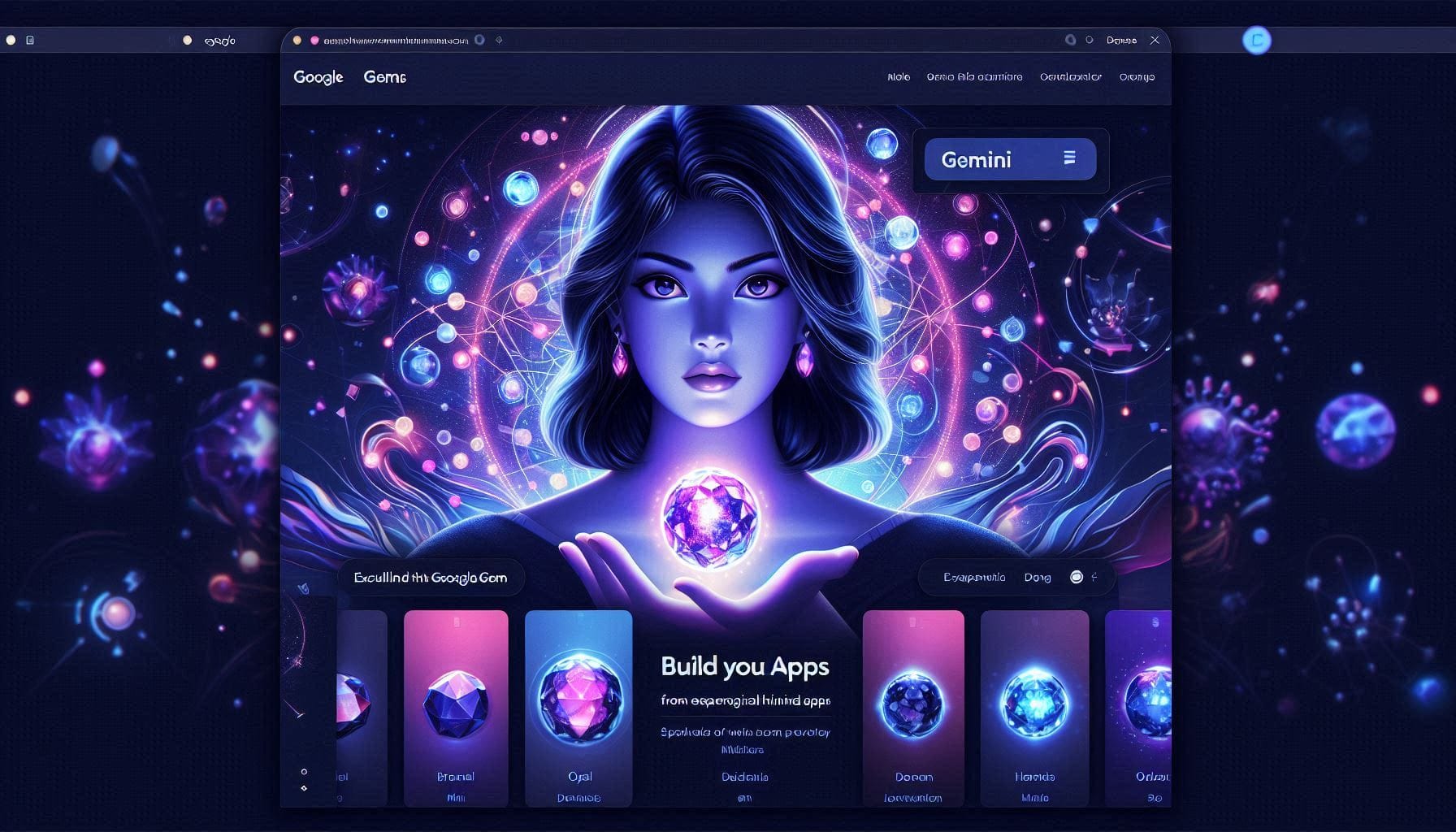
These Experimental Gems Turn Your Prompts into Actionable Tools That Can Help You Complete Everyday Tasks or Explore New Ideas
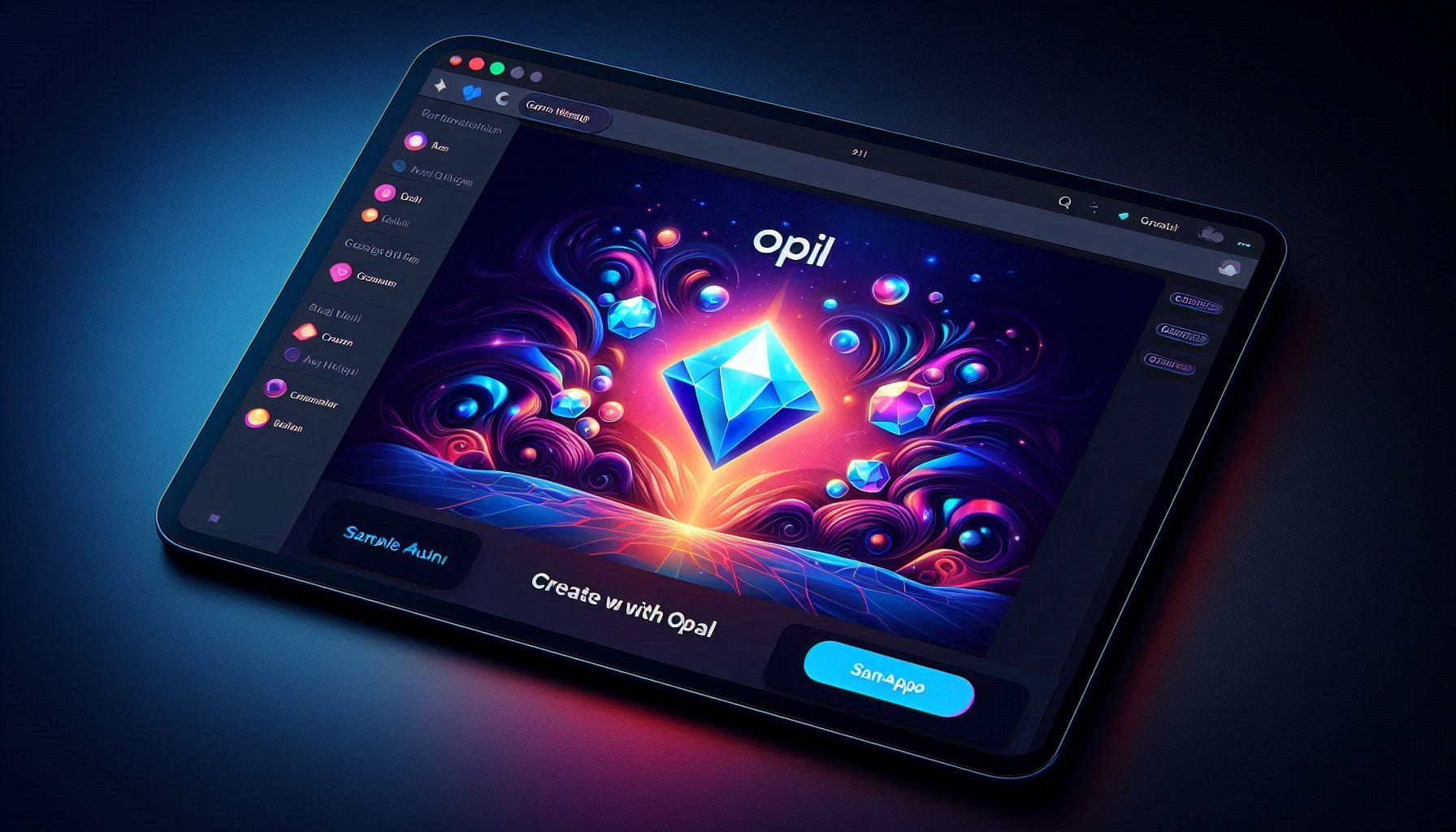
In the ever-evolving landscape of artificial intelligence, where innovation blurs the line between conversation and creation, Google Labs has unveiled a transformative experiment that redefines how we interact with AI. Announced on December 17, 2025, via a captivating tweet from @GoogleLabs, this new type of Gem integrates the acclaimed Opal tool directly into the Gemini web app, empowering users to craft interactive, AI-powered mini-apps on desktop. These experimental Gems are not mere chat extensions; they are dynamic, reusable tools born from natural language prompts, designed to automate everyday tasks or ignite creative exploration.
Imagine describing a “serene morning routine planner with gentle ocean wave visuals” and watching Gemini conjure a fully interactive mini-app—complete with mood trackers, personalized suggestions, and seamless integrations. This is the promise of Opal’s vibe-coding paradigm, now seamlessly woven into Gemini’s fabric. As Google Labs states, these Gems “turn your prompts into actionable tools,” democratizing app development for non-coders and elevating Gemini from assistant to co-creator.

This rollout arrives at a pivotal moment. With AI adoption surging—Gemini boasting over 650 million monthly users—the demand for personalized, functional experiences has never been higher. By embedding Opal as an experimental Gem, Google bridges the gap between ideation and execution, fostering a new era of accessible innovation. Whether streamlining your workflow or prototyping wild ideas, these mini-apps invite you to harness AI’s full potential on your desktop, one prompt at a time.
The Genesis: From Google Labs Experiments to Gemini’s Core
Google Labs has long been the cradle of audacious AI ventures, birthing tools like NotebookLM and Project Astra before their mainstream ascent. Opal, launched in July 2025 as a standalone experiment at opal.google, epitomized this spirit. Dubbed a “vibe-coding” tool, it allowed users to articulate app concepts in evocative, everyday language—evoking a “vibrant street food adventure” for a recipe explorer or a “cosmic dream journal” for reflective writing.
The December 17 announcement marks Opal’s evolution: no longer siloed, it’s now an experimental Gem within Gemini’s Gems manager. This integration, teased in @GoogleLabs’ tweet as “Opal, meet @GeminiApp,” unlocks reusable mini-apps tailored to individual needs. Pre-built examples from Labs, such as “Recipe Genie” for transforming leftovers into meals or “Claymation Expert” for topic-based infographics, serve as remixable starting points.
This fusion aligns with Gemini’s ethos of multimodal intelligence, leveraging Gemini 3’s advanced reasoning to interpret prompts holistically. As Megan Li, Senior Product Manager at Google Labs, notes in the official blog, “Opal is now directly available in the Gemini web app as a way to create experimental Gems.” It’s a deliberate step toward making AI creation as intuitive as chatting, available immediately to all Gemini web users without waitlists.
Unpacking the Magic: How Experimental Gems Transform Prompts into Mini-Apps
At the heart of these experimental Gems lies Opal’s innovative workflow, which demystifies app building through “vibe-coding.” Traditional development demands syntax and structure; here, it’s all about narrative flair. A prompt like “Design a productivity dashboard with a zen garden aesthetic—track tasks, meditate with timers, and visualize progress like blooming flowers” yields a bespoke mini-app in moments.
The process unfolds elegantly:
- Prompt Initiation: In Gemini’s sidebar, access the Gems manager and select the Opal Gem (under “Gems from Labs”). Describe your vision conversationally—Gemini refines it iteratively for clarity.
- AI Orchestration: Powered by Gemini 3, the model dissects the prompt into core components: inputs (e.g., user queries), logic (conditionals like “if mood is low, suggest breathing exercises”), outputs (visuals, text, interactions), and integrations (e.g., calendar pulls or image generation).
- Visual Editor Emergence: A drag-and-drop canvas materializes, with steps as colorful nodes connected by intuitive lines. The new “step breakdown view” lists actions sequentially, editable like a recipe—add branches, tweak variables, or swap models (text-to-image via Imagen 3).
- Testing and Refinement: Simulate interactions within Gemini’s chat; real-time feedback loops allow vibe adjustments, ensuring the mini-app feels authentically yours.
- Deployment as Reusable Gem: Save it as a persistent Gem, invocable anytime. Share via links for collaboration, or export to opal.google’s Advanced Editor for code-level tweaks.
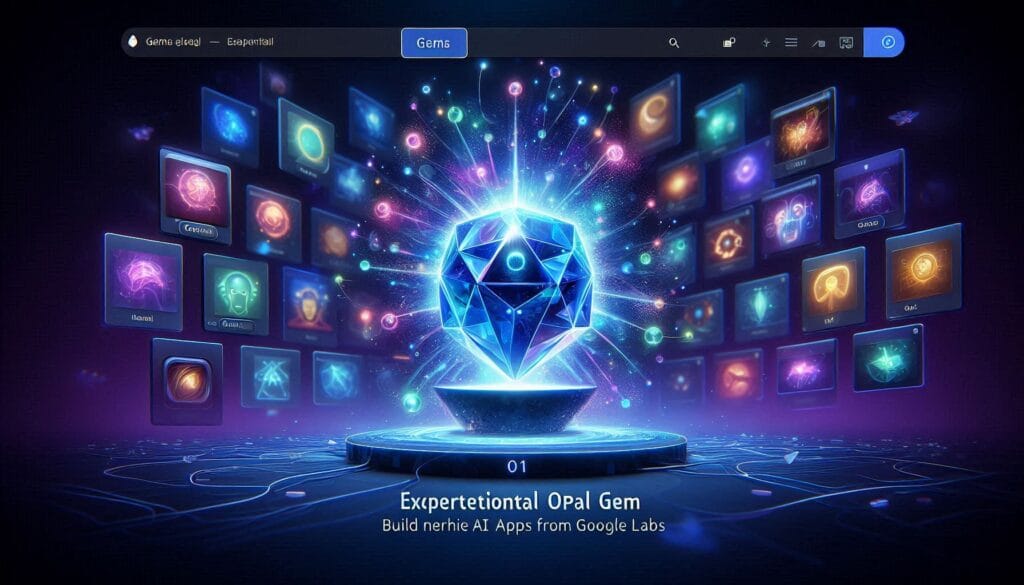
This isn’t superficial; experimental Gems support dynamic views—interactive elements like sliders, buttons, and embeds—that respond to user inputs. For instance, a “travel vibe curator” might generate itineraries with embedded maps, pulling from open tabs or chat history, echoing Disco’s GenTabs but focused on standalone creation.
Privacy remains paramount: These mini-apps operate in isolated chats, exempt from model training, ensuring your creations stay yours.
Everyday Empowerment: Actionable Tools for Real-World Tasks
These experimental Gems excel at distilling complexity into utility, turning prompts into tools that seamlessly slot into daily life.
Consider productivity: A user prompts “A task orchestrator with a cosmic explorer vibe—prioritize emails, schedule breaks, and gamify completions with star constellations.” The resulting mini-app scans Gmail (with permission), ranks tasks via Gemini’s reasoning, and visualizes progress as a starry map—motivating through whimsy.
For education, envision “An interactive history tutor with a time-travel adventure vibe.” It quizzes via branching narratives, generates era-specific visuals, and adapts difficulty based on responses, fostering deeper engagement than static flashcards.
Creative souls might conjure “A story weaver with a mystical forest vibe,” where prompts evolve into collaborative tales with branching paths, illustrated scenes, and audio narrations—perfect for writers’ blocks or family storytelling.
Even mundane chores transform: “A grocery optimizer with a farm-fresh harvest vibe” analyzes recipes, suggests seasonal swaps, and creates shareable lists with nutritional breakdowns.
As @GoogleLabs emphasizes, these Gems “help you complete everyday tasks or explore new ideas,” blending practicality with serendipity. Early adopters, per Android Central reports, praise the speed—from idea to interactive prototype in under five minutes.
Exploring New Ideas: The Spark of Innovation
Beyond tasks, experimental Gems ignite uncharted territories. Labs’ pre-made offerings, like Recipe Genie or Claymation Expert, exemplify this: Remix Claymation to visualize quantum physics as stop-motion clay worlds, or evolve Recipe Genie into a cultural fusion chef blending global cuisines.
For entrepreneurs, prompt “A market trend analyzer with a futuristic oracle vibe”—yielding dashboards that forecast via Gemini’s data synthesis, complete with interactive charts.
Hobbyists could birth “A dream interpreter with ethereal cloud realms,” logging entries and surfacing patterns with poetic insights.
This exploratory ethos aligns with Google Labs’ mission: As the blog articulates, “Unlock even more customized Gemini experiences.” By surfacing the Opal Gem in the manager, Google encourages serendipitous discovery—browse Labs’ examples, tweak one, and watch ideas bloom.
Technical Foundations: Gemini 3’s Role in Mini-App Mastery
Underpinning these Gems is Gemini 3’s frontier intelligence, refined for agentic workflows. It excels at multi-step reasoning, ensuring mini-apps handle ambiguities gracefully—e.g., gracefully pivoting if a weather API fails in your travel tool.
Opal’s architecture—prompt chaining, conditional branching, multimodal outputs—leverages this for robustness. The visual editor, inspired by no-code platforms like Bubble, abstracts complexity while the step breakdown demystifies AI “black boxes.”
Limitations persist: Currently desktop-web only (mobile forthcoming), experimental status invites feedback-driven iterations, and complex integrations (e.g., third-party APIs) may require Advanced Editor.
Yet, as Jetstream Blog notes, this “no-code AI mini-app creation tool” heralds broader accessibility.
Navigating the Ecosystem: Comparisons and Synergies
In the crowded AI arena, these Gems stand out against OpenAI’s Custom GPTs or Anthropic’s Artifacts—more visual and integrated than GPTs’ text-heavy focus, yet equally remixable.
Synergies abound: Pair with Disco’s GenTabs for tab-based apps, or CC’s productivity agent for Gmail-linked Gems. Future ties to Workspace or Android could amplify reach.
Embracing the Experiment: Getting Started and Best Practices
Dive in at gemini.google.com: Ensure you’re logged in, navigate to Gems, and summon the Opal Gem. Start simple—remix a Labs example—then scale to originals.
Best practices: Be vivid in prompts (adjectives evoke vibes), iterate via tests, share for feedback. Report bugs via Labs channels to shape evolution.
Conclusion: Crafting Tomorrow’s Tools Today
Google Labs’ new experimental Gems, infused with Opal’s vibe-coding alchemy, herald a renaissance in AI personalization. By turning prompts into interactive mini-apps, they empower us to automate the ordinary and adventure the extraordinary—on desktop, with effortless grace.
As @GoogleLabs urges, “Go forth and customize!” Head to Gemini now; your next great idea awaits transformation. In this collaborative AI dawn, creation is no longer elite—it’s elemental.