Don’t Wait If You’re Planning to Upgrade Your RAM or SSD: Kingston Rep Warns — “Prices Will Continue to Go Up,” NAND Costs Up 246%

In a sobering alert for PC builders, gamers, and anyone eyeing a storage or memory upgrade, a Kingston representative has issued a stark warning: act now, or pay significantly more later. During a recent appearance on The Full Nerd podcast, Cameron Crandall, Kingston’s Datacenter SSD Business Manager, revealed that NAND flash prices have surged a staggering 246% since Q1 2025, with an astonishing 70% of that increase occurring in just the last 60 days. “It’s bad, and it’s getting worse right now,” Crandall cautioned, predicting continued upward pressure throughout 2026 as supply constraints intensify.
This revelation arrives amid a broader memory crisis gripping the tech industry, where explosive demand from artificial intelligence (AI) applications is diverting critical resources away from consumer products. While NAND flash—the backbone of solid-state drives (SSDs)—bears the brunt, dynamic random-access memory (DRAM) used in RAM modules is also experiencing dramatic price hikes. For consumers, the implications are clear: the era of plummeting storage and memory costs may be over, at least temporarily, replaced by a landscape where delays could add hundreds to upgrade bills.
As we approach the holiday season and into 2026, this warning couldn’t be timelier. Whether you’re assembling a new rig, refreshing an aging laptop, or expanding your data hoarding setup, understanding the forces driving these changes is essential. This comprehensive analysis explores the Kingston alert, the underlying causes, current and projected price trends, real-world impacts, and practical recommendations to navigate the storm.

The Kingston Warning: A Closer Look at the Numbers
Cameron Crandall’s comments paint a vivid picture of distress in the NAND market. From the relatively stable pricing in early 2025, costs have ballooned 246% by December, with the acceleration in recent months signaling no immediate relief. Kingston anticipates the shortage worsening over the next 30 days, embedding higher costs deeper into the supply chain.
NAND flash constitutes up to 90% of an SSD’s bill of materials (BoM), making it exquisitely sensitive to wafer price fluctuations. As a major player in consumer and enterprise storage, Kingston’s insights carry weight—the company isn’t just observing; it’s navigating these turbulent waters firsthand.
Crandall’s outlook extends to 2026, where sustained demand and limited new capacity will likely prolong elevations. This echoes broader industry sentiment: TrendForce and other analysts forecast ongoing hikes, potentially adding 8-15% or more to BoM costs in the coming year.

Kingston A400 – SSD – 240 GB – SATA 6Gb/s – SA400S37/240G – Solid State Drives – CDW.com
Roots of the Crisis: AI’s Insatiable Appetite for Memory
The surge isn’t arbitrary; it’s a direct consequence of the AI boom. Hyperscalers and data centers powering generative AI, machine learning, and cloud services require enormous quantities of high-bandwidth memory (HBM) and advanced DRAM/NAND variants. Suppliers like Samsung, SK Hynix, and Micron—dominant in both consumer and enterprise memory—have pivoted production toward these high-margin AI chips.
HBM, in particular, commands premiums far exceeding standard LPDDR or NAND modules used in SSDs and smartphones. This reallocation squeezes supply for consumer-grade components, creating bottlenecks that ripple through the ecosystem.
Compounding the issue: years of underinvestment following post-pandemic oversupply led manufacturers to curtail capacity. Now, as demand rebounds—fueled by AI—supply can’t keep pace. Enterprise SSD demand remains robust, further competing with consumer allocations.
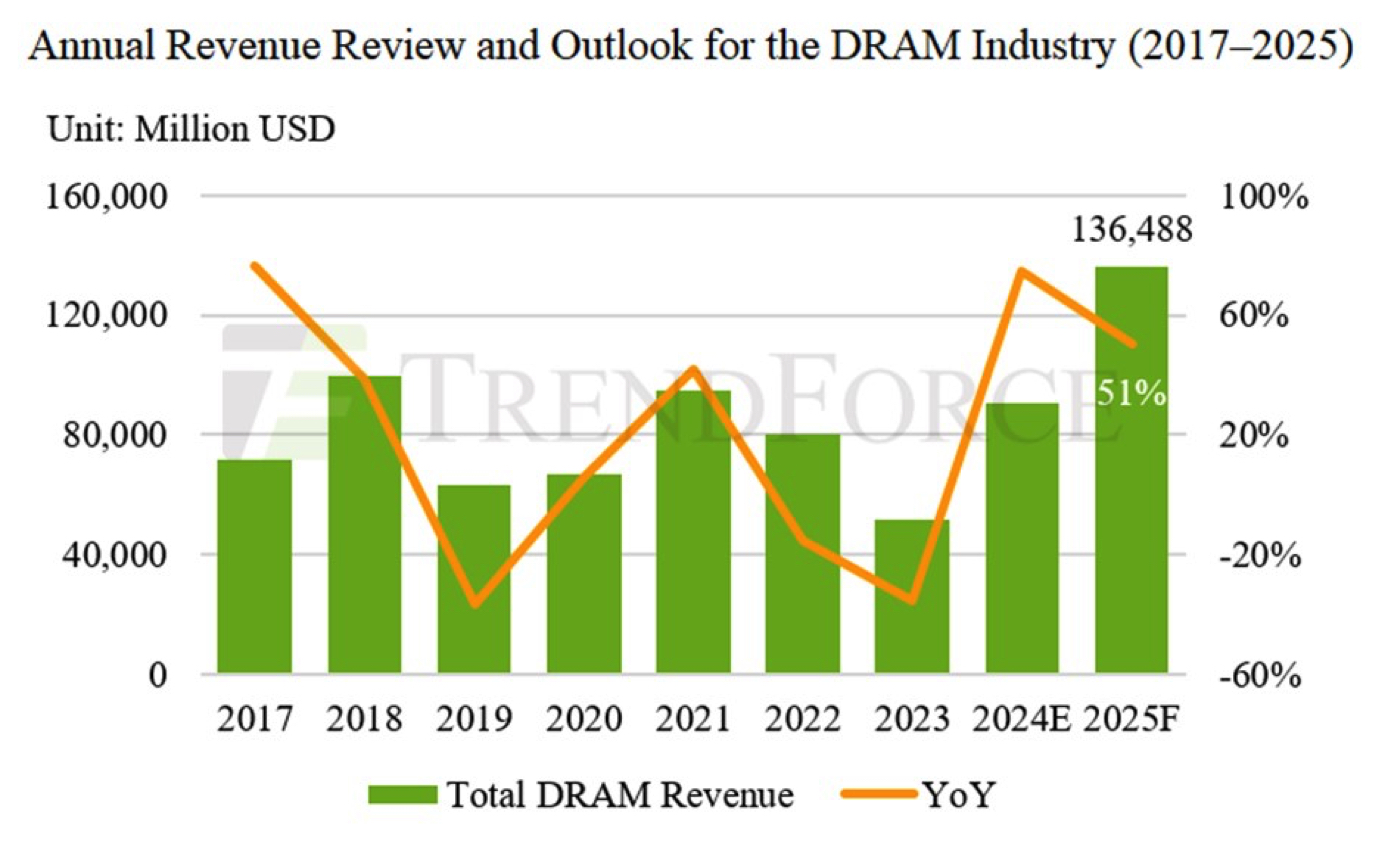
DRAM faces parallel pressures. Reports indicate server DRAM prices surging up to 50%, with module makers paying double for chips in weeks. A 172% year-over-year DRAM increase has already erased margins for brands like Kingston and ADATA.

Current Price Trends: From Bargains to Premiums
The numbers are eye-opening. Popular 1TB SSDs that dipped below $50 in early 2025 now routinely exceed $100-120, with 2TB and 4TB models seeing proportional jumps. High-end NVMe drives from Kingston, Samsung, and WD have climbed 50-100% in months.
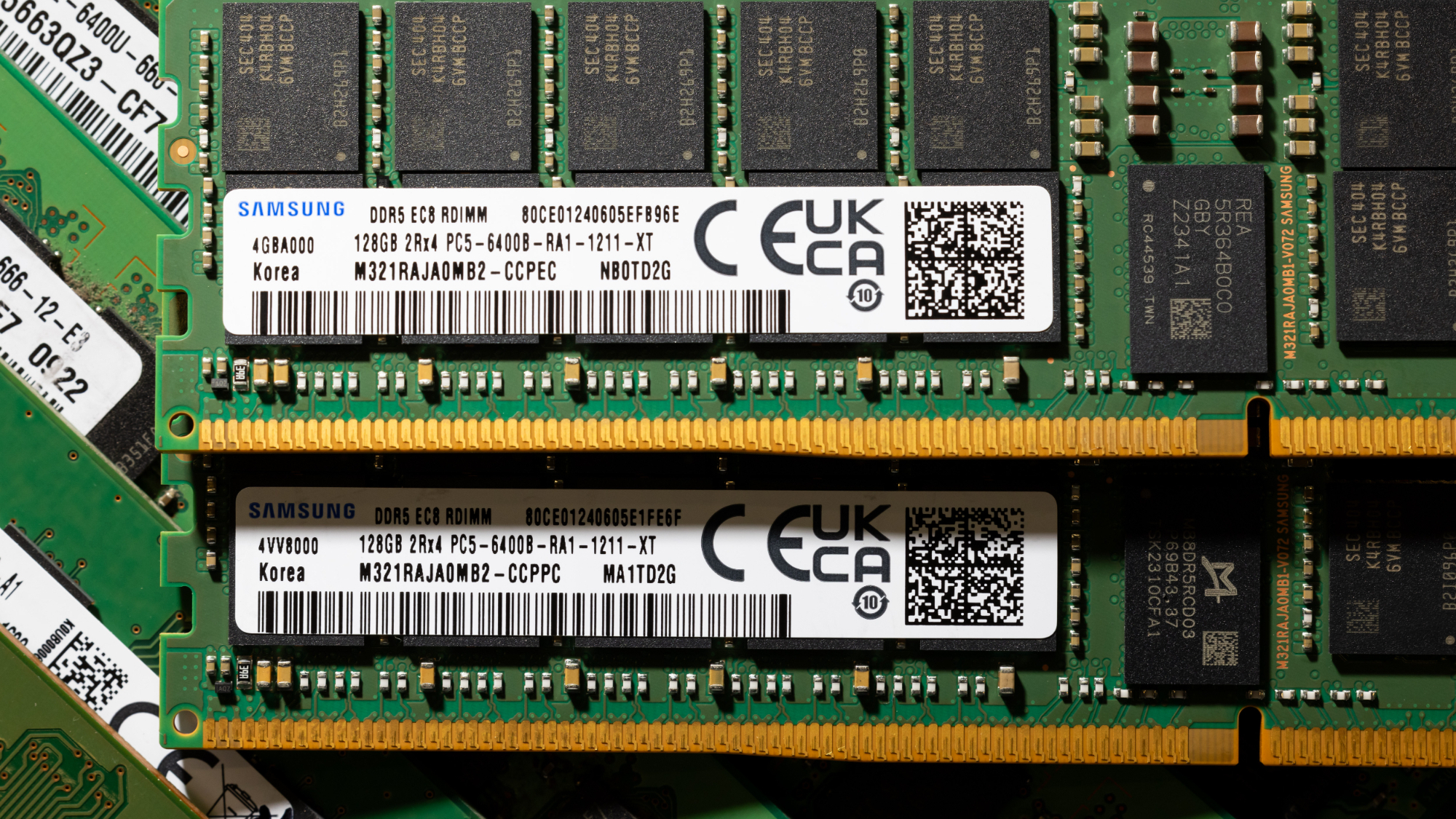
RAM tells a similar story. 32GB DDR5 kits, once around $100-120, now approach $200-300, while 64GB configurations rival console prices. Budget DDR4 holds somewhat steadier but still trends upward.
Retail examples abound: Kingston’s own Fury and A400 series reflect these shifts, with street prices rising steadily. Online trackers show sustained climbs, with no downturn in sight.
Broader effects touch laptops, prebuilts, and even consoles—systems with 1TB SSD + 16GB RAM could add $80; 2TB + 32GB, $160.
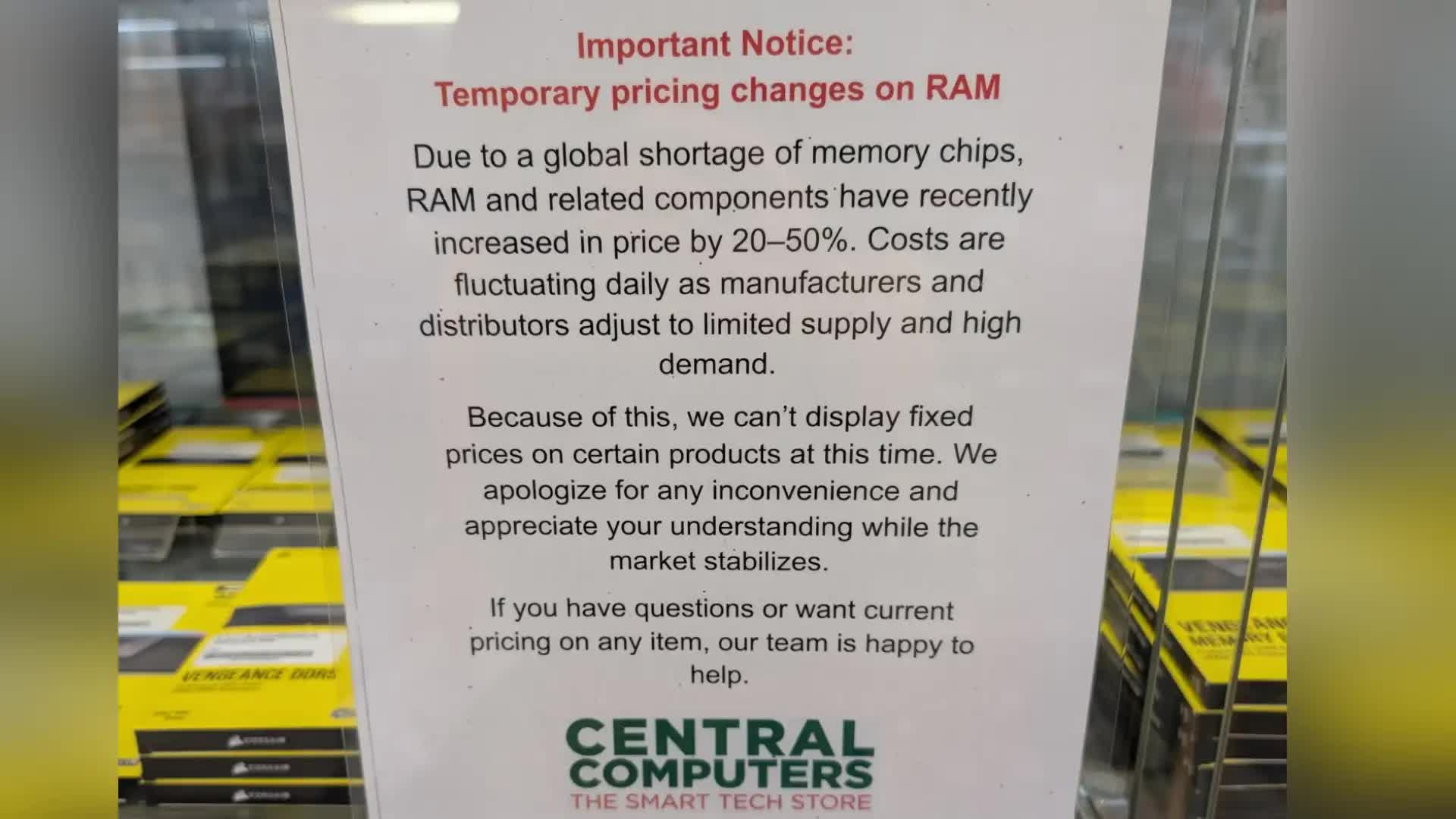
Memory prices are so bad stores won’t even list them – 64GB DDR5 now costs more than a PS5 | TechSpot
Impacts Across the Ecosystem
PC Builders and Upgraders: Entry-level builds face reconfiguration—perhaps settling for smaller SSDs or HDD hybrids. Gamers eyeing large libraries feel the pinch most.
Laptop Buyers: OEMs like Dell, HP, and Lenovo pass costs forward, inflating mid-range models. Base configurations may revert to 512GB storage or 8GB RAM—steps backward from recent norms.
Data Hoarders and Creators: High-capacity drives (8TB+) become luxuries, prompting reliance on slower mechanical storage or cloud alternatives.
Mobile and Console Markets: Smartphones and devices like the Nintendo Switch 2 see component costs rise, potentially delaying launches or hiking prices.
Low-end products risk “crippling”—reduced configs to maintain accessibility—while premium segments absorb hikes more gracefully.
Why Now Is the Time to Act
Crandall’s advice resonates: if an upgrade is planned, don’t wait. Current inventory reflects pre-surge pricing in many cases, but as new stock arrives with embedded costs, deals will vanish.
Holiday sales may offer final opportunities—Black Friday/Cyber Monday remnants or year-end clearances. Post-2025, expectations point firmly upward.
For those on the fence: assess needs. If your system lags due to slow storage or insufficient RAM, upgrading now locks in value. Battery replacements or software tweaks can extend older hardware, but for performance leaps, timing matters.
Strategies to Mitigate the Surge
- Buy Soon: Prioritize reputable retailers with price matching.
- Opt for Proven Models: Stick to established drives like Kingston KC3000 or Samsung 990 Pro.
- Consider Alternatives: Hybrid setups (SSD boot + HDD storage) or refurbished enterprise pulls.
- Monitor Deals: Tools like PCPartPicker or camelcamelcamel for alerts.
- Future-Proof Moderately: Balance capacity without overbuying.
Long-term, new fabs (2027+) may ease pressures, but 2026 looks challenging.
Conclusion: Seize the Moment Amid Rising Tides
Kingston’s urgent warning—NAND costs up 246%, prices set to climb further—serves as a wake-up call in a market transformed by AI’s demands. From SSDs to RAM, the components powering our digital lives face unprecedented inflation, threatening affordability and innovation in consumer tech.
Yet opportunity exists for the prepared. By acting decisively now, you can secure upgrades at relative bargains, sidestepping the full brunt of 2026’s projected escalations. Whether enhancing a gaming rig, boosting productivity, or future-proofing storage, the message is unequivocal: don’t wait.
In this dynamic landscape, informed choices yield lasting advantages. Upgrade thoughtfully today, and ride out the storm with confidence.