Samsung Will Restock the Galaxy Z TriFold Later This Week: A Second Chance at the Revolutionary Tri-Foldable

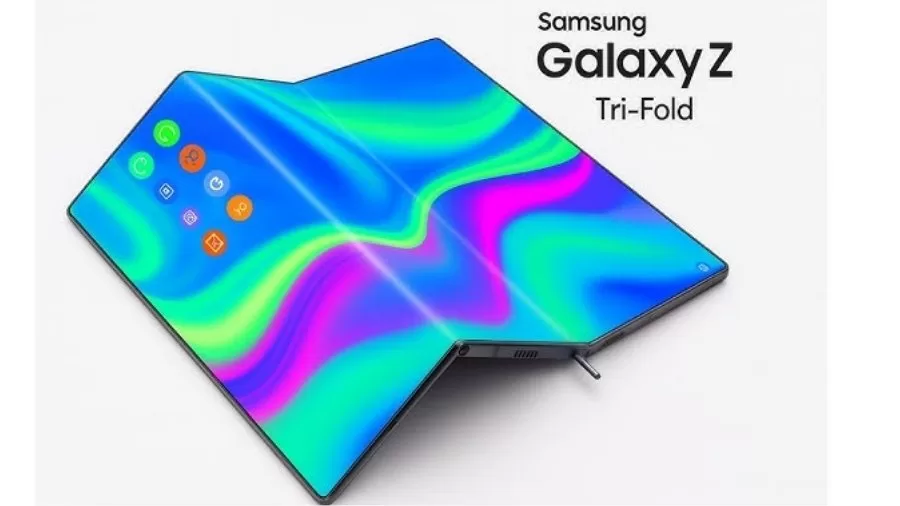
In a thrilling development for foldable enthusiasts, Samsung has confirmed it will restock its groundbreaking Galaxy Z TriFold later this week in South Korea. Following an astonishing sell-out within minutes of its December 12, 2025 launch, the company is preparing a limited second batch, with online sales resuming as early as Wednesday, December 17. This rapid depletion—both online and at select physical stores—underscores the immense demand for Samsung’s first tri-fold smartphone, a device that pushes the boundaries of mobile innovation with its expansive 10-inch unfolding display and premium craftsmanship.
Priced at approximately KRW 3,594,000 (around $2,450 USD), the Galaxy Z TriFold represents a bold leap beyond traditional book-style foldables like the Galaxy Z Fold series. Its unique multi-folding design transforms from a compact phone into a tablet-like canvas, offering unparalleled multitasking and media consumption. Despite the high cost and limited initial stock—estimated at just thousands of units for the domestic market—the device’s instant popularity signals a strong appetite for next-generation form factors.
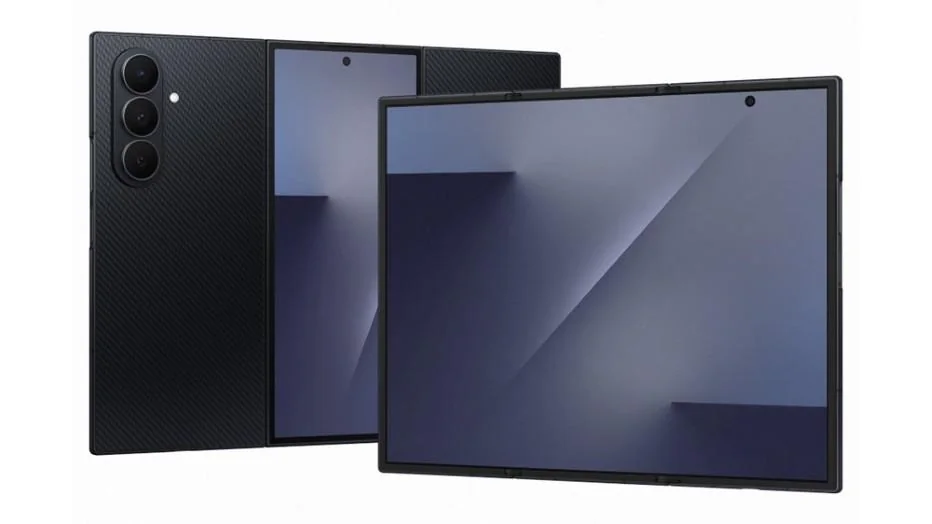
For those who missed the initial wave, this restock offers a fleeting opportunity. Reports indicate only around 3,000 units allocated for South Korea, likely to vanish quickly amid scalper activity and fervent fan interest. Samsung’s swift response to the sell-out highlights its commitment to meeting demand, even as production ramps for broader global rollout.
The Galaxy Z TriFold: Engineering Marvel Meets Practical Innovation
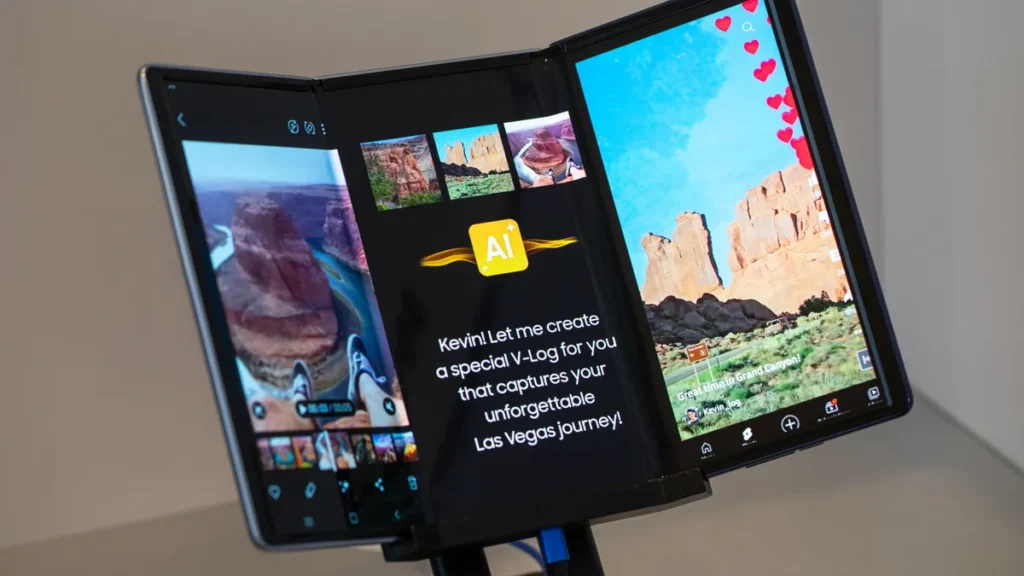
Samsung’s entry into the tri-fold arena arrives after years of refinement in foldable technology. Unveiled officially in early December 2025, the Galaxy Z TriFold features a sophisticated inward-folding mechanism with two hinges, protecting the main display while enabling seamless transitions between modes.
Key highlights include:
- Displays: A 6.5-inch cover screen for phone-like usability and a massive 10-inch inner AMOLED panel (QXGA+ resolution, 120Hz refresh rate) when fully unfolded—ideal for productivity and entertainment.
- Performance: Powered by a customized Snapdragon 8 Elite for Galaxy chipset, paired with 16GB RAM and up to 1TB storage.
- Battery: The largest in any Samsung foldable at 5,600mAh, distributed across three cells for balanced endurance.
- Cameras: A flagship triple setup led by a 200MP main sensor, plus dual 10MP selfie cameras.
- Software: One UI 8 on Android 16, with enhanced multitasking—run three apps side-by-side—and standalone Samsung DeX for desktop-like experiences.
- Design: Ultra-slim at 3.9mm (thinnest point), Crafted Black finish, IP48 rating, and included accessories like a Carbon Shield Case and 45W charger.
The device’s “G-shaped” fold (when partially open) adds versatility, propping it for hands-free viewing or typing. Samsung’s decade-plus expertise shines in minimized creases and durable hinges, addressing common foldable concerns.
The Launch Frenzy: Sold Out in Minutes, Scalpers Capitalize
The Galaxy Z TriFold’s South Korean debut on December 12 was nothing short of phenomenal. Available online and at 20 flagship stores, units evaporated in minutes—some reports cite as little as two to five minutes for complete depletion. Crowds lined up outside stores, echoing the excitement of early Galaxy Fold launches.
This scarcity fueled a secondary market boom, with resellers listing units at premiums up to 55% (KRW 4-5.5 million). Samsung’s restock at original pricing aims to curb this, though limited quantities suggest persistence.
The rapid sell-outs, despite the premium tag, affirm the TriFold’s appeal. It’s not just a gadget; it’s a statement piece blending phone portability with tablet productivity.
Restock Details: How to Secure Yours
Samsung will reopen sales via its official website (samsung.com/kr) at 10 AM KST on Wednesday, December 17, with select offline stores receiving shipments simultaneously. Sign up for restock notifications on Samsung’s site for alerts.
Tips for success:
- Prepare payment and account details in advance.
- Use multiple devices/browsers for better odds.
- Monitor official channels for updates.
- Act fast—previous batches lasted mere minutes.
Additional stock is planned for January 2026 in Korea, providing further chances.
Global Expansion: Beyond South Korea
Currently exclusive to South Korea, the Galaxy Z TriFold will expand to China, Taiwan, Singapore, the UAE before year-end, with a US launch in Q1 2026 (likely announced at CES January 2026). Limited production—potentially 20,000-30,000 units initially—suggests similar scarcity worldwide.
This phased rollout allows Samsung to gauge demand and refine supply chains for this complex device.
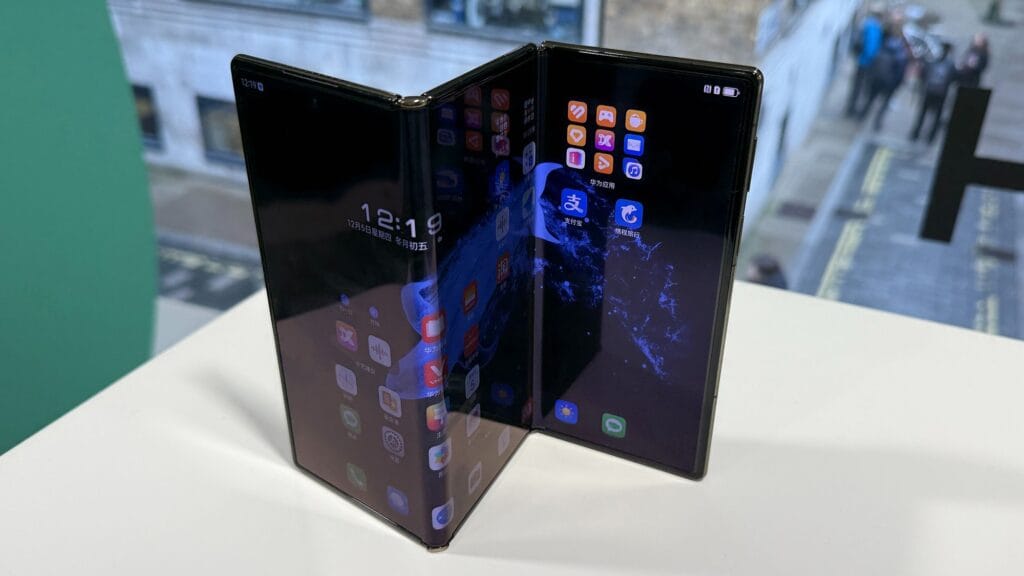
Comparison to Rivals: Samsung vs. Huawei’s Tri-Fold Pioneer
Samsung enters a niche dominated by Huawei’s Mate XT (and updated XTs). Key differences:
- Folding Style: Samsung’s inward dual-fold protects the screen better; Huawei’s outward Z-fold offers seamless unfolding but exposes the display.
- Thickness: Samsung thinner unfolded (3.9-4.2mm); Huawei edges in some modes.
- Performance: Samsung’s Snapdragon 8 Elite outperforms Huawei’s Kirin.
- Ecosystem: Samsung’s global support, Galaxy AI, and DeX vs. Huawei’s restrictions outside China.
- Pricing/Availability: Samsung more accessible internationally.
Samsung’s refined engineering and software optimizations position it as a strong contender.
Challenges and Considerations
At ~$2,450, the TriFold is a luxury item. Repair costs (e.g., screen replacement) are high, though Samsung offers discounts initially. Durability remains key for early adopters.
Yet, for power users craving expansive screens in portable form, it’s compelling.
Conclusion: Seize the Opportunity in Foldable Evolution
Samsung’s decision to restock the Galaxy Z TriFold later this week reflects overwhelming enthusiasm for its visionary design. This tri-foldable isn’t just an incremental upgrade—it’s a glimpse into mobile computing’s future, merging phone agility with tablet immersion.
If you’re in South Korea or planning ahead for global availability, prepare now. Limited stock means quick action is essential. Whether for groundbreaking multitasking, cinematic viewing, or sheer innovation, the Galaxy Z TriFold demands attention.
As Samsung expands production and markets, this restock marks the start of a new chapter in foldables. Don’t miss your chance to own a piece of it.